
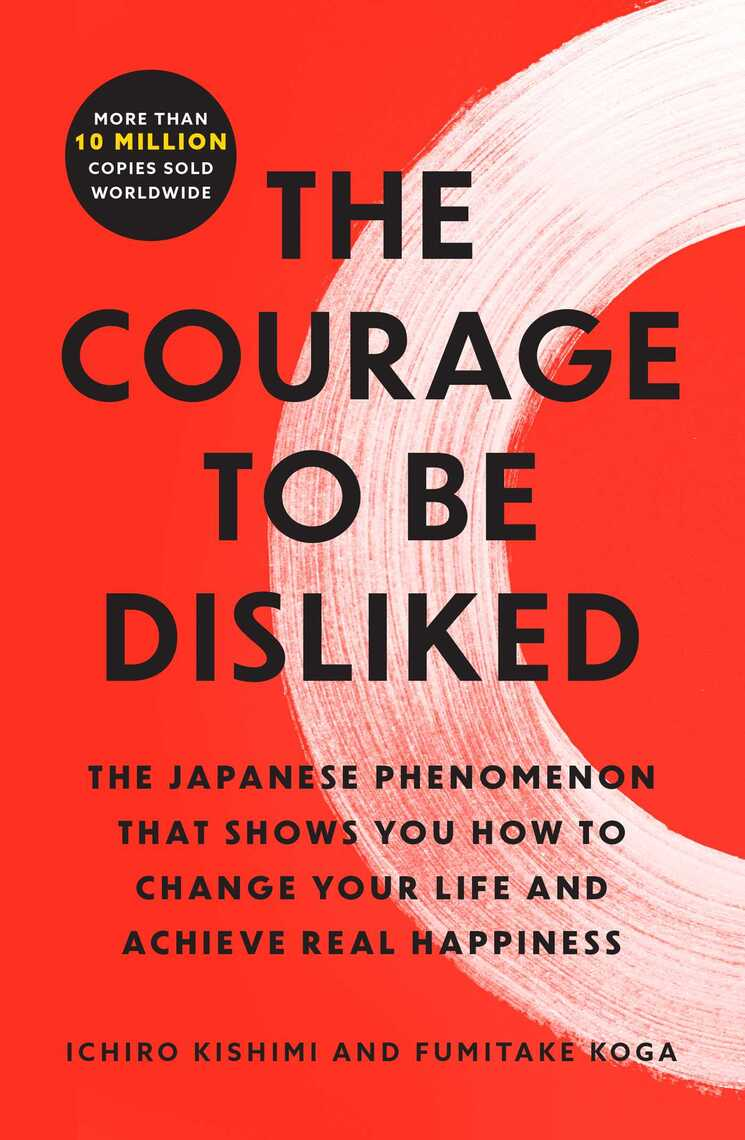
PULSE –
P — Problem I was holding (PAST)
I realised how much of professional life — especially mid-career — is shaped by an invisible need to be liked. In a conversation with Rahul, a senior leader, this surfaced quietly when he said, “I still wait to be noticed.” Not because he lacked capability, but because approval had become the reference point.
U — Unleashing the “You” it pointed to
The book nudged a different stance — moving from vertical relationships (superior–inferior) to horizontal ones. Same roles. Same accountability. But no hierarchy of worth. When Rahul stopped looking up, he didn’t become indifferent. He became freer to contribute.
L — Line / Lens that stayed with me
Praise creates dependence. Encouragement assumes capability. That single distinction reframed how I now look at leadership and relationships.
S — Seed it planted
Self-acceptance is not self-approval. It is the quiet decision to stop rejecting where you are — and act from there.
E — Experience it connected to
As Rahul put it towards the end, “When I stop organising myself around being liked, I have more energy to give — to my team, to the work.”
That’s where The Courage to Be Disliked lands for me. Not as a philosophy — but as a lived shift from approval to contribution.
If you’ve read The Courage to Be Disliked, what idea challenged you the most?